FROM IDEATO WORKING TOOLS.

Websites
Web apps
Automation
Support

Ideas
become
tools

Websites. Web apps.
Automation.

We are a small software studio in Latvia. We build business websites, custom web applications and the automation that connects them — for companies that have outgrown spreadsheets and email threads.

Tell us about your project
01 / Where we usually start

SOUND FAMILIAR?

Your website does not bring enquiries

It looks dated, loads slowly on a phone, or never says clearly what you sell and what the visitor should do next.

What we do: rebuild it around one clear offer and one obvious next step, with content structured for search engines and readable on any screen.

The real work happens in spreadsheets

Orders, jobs or clients are tracked in files that several people edit, and nobody is sure which version is current.

What we do: turn that process into a web application with real user roles, a shared history and permissions — starting with the one workflow that hurts most.

The same data is typed in twice

A form arrives by email, then someone copies it into a CRM, then into an invoice, then into a report.

What we do: connect the systems you already use so the data moves by itself, and define what happens when something fails.

Off-the-shelf tools almost fit

You pay per seat for a product that covers 70% of your process, and the remaining 30% is still manual.

What we do: build the missing part as an internal tool, or replace the whole thing when a custom build costs less than the workarounds.

Three directions

  • WebsitesCompany sites, service pages and online stores, built for content you can actually keep up to date.
  • Web applications and internal toolsCustomer portals, CRMs, booking and document workflows, dashboards — with logins, roles and audit trails.
  • Automation and integrationsMoving data between systems, scheduled jobs, notifications, generated documents and reports.
02 / Real, public work

WHAT WE HAVE BUILT.

Open
them
and
see

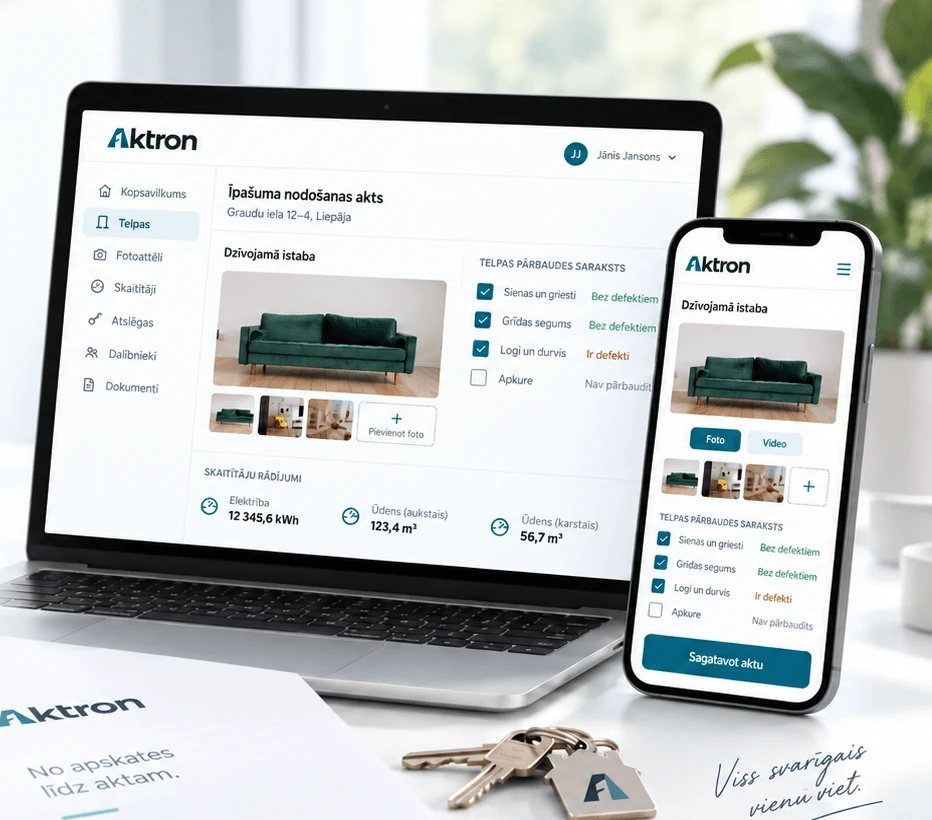
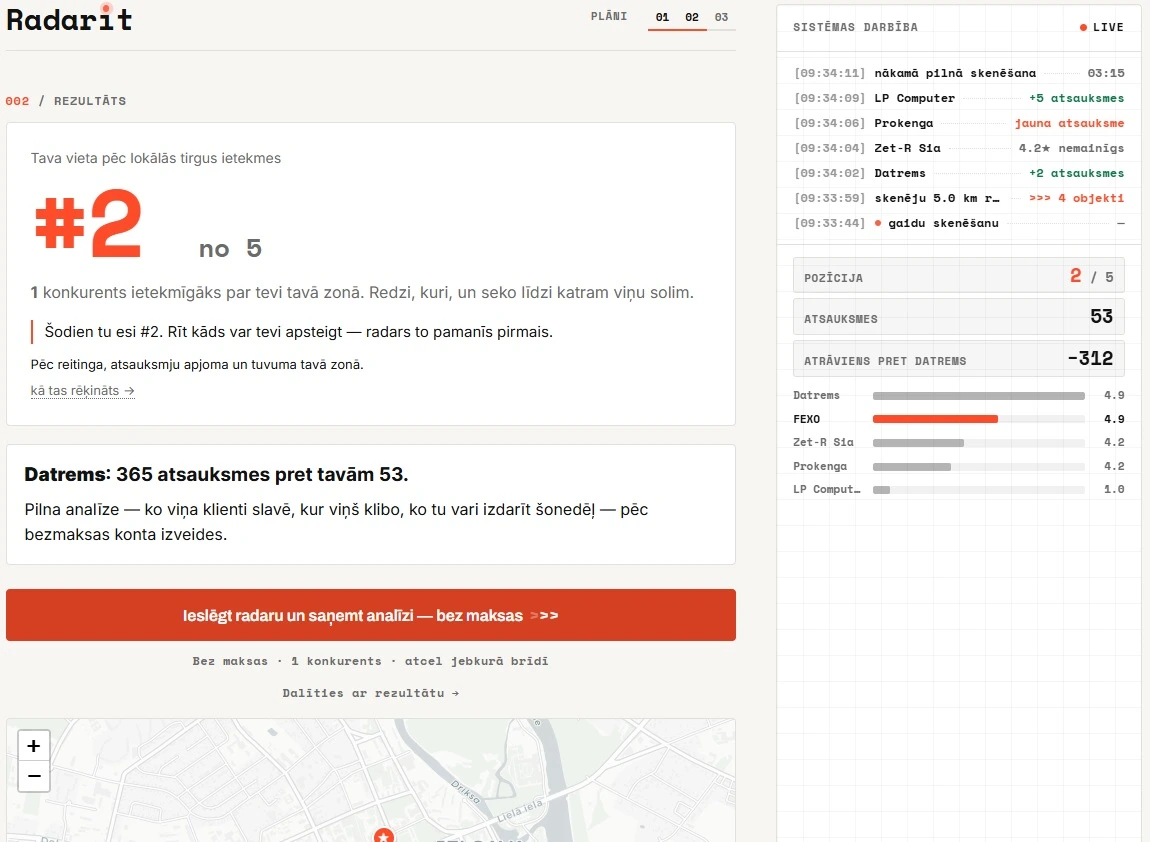
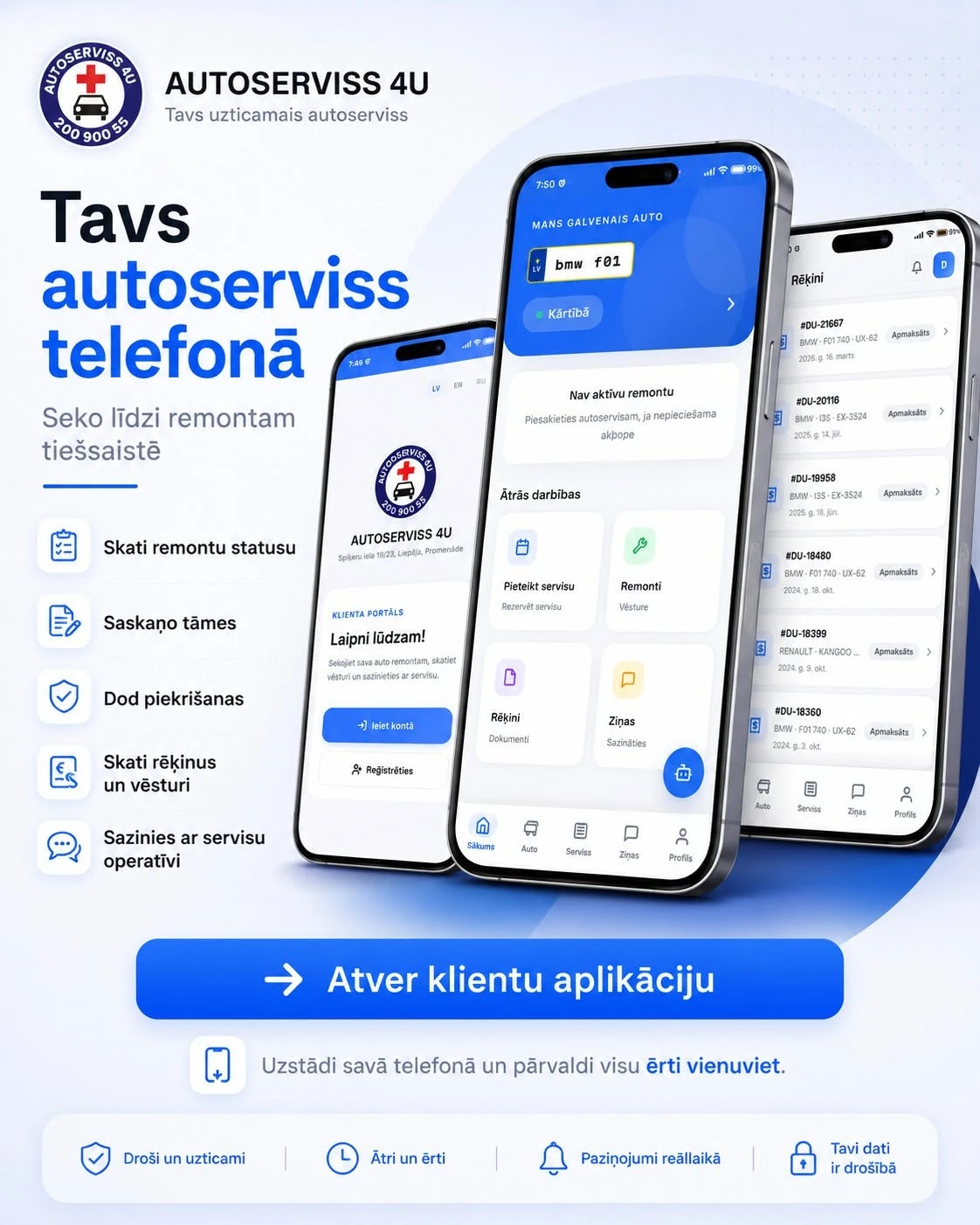
AKTRON and RADARIT are our own products — we built, run and pay for them ourselves. They are here because you can open them and judge the work, not because someone else commissioned them.

Websites / E-commerce

AND THE SITES.

Live sites we build and maintain — from a workshop booking page to a property catalogue and a 3D-printed parts store. All of them are public; open any one.

03 / How we work

FOUR STEPS.

  1. 01

    You tell us the problem

    A short description is enough: what is not working, who will use the solution and what the result should look like. We reply by email with questions.

  2. 02

    We scope it and quote

    We agree on what is in the first version and what waits. You get a written proposal with the scope, the engagement model and the timing before anything is built.

  3. 03

    We build in visible steps

    You see working pages or screens as they appear, not just at the end, so changes happen while they are still cheap.

  4. 04

    We launch and keep it running

    We put it live, check it on real devices, and either hand it over or keep maintaining it — depending on the model you choose.

04 / Two ways to work with us

PICK A MODEL.

Model A

One-off project fee

You pay an agreed fee for the build. When the project is finished and paid, it is handed over to you on the terms we agree in writing — what is delivered, what you may host where, and what happens to the source code.

Usually fits when you have your own hosting and someone to look after it, or when the project has a clear end.

Model B

Build plus hosting and maintenance

We build it, host it and keep it running for a monthly fee. Updates, monitoring and smaller changes are part of the arrangement. The initial fee and the exact terms depend on the project.

Usually fits when you would rather not manage servers, certificates and updates yourself.

We do not publish fixed prices, because the honest answer depends on scope, integrations and how much content or data has to be moved. Ownership, hosting and support terms are set out in the individual proposal — ask us and you will get them in writing before you commit.

05 / Before we start

GOOD TO
KNOW.

How do we start?

Send us a short description through the form below. We reply by email, ask what is missing, and — if it looks like a fit — send a written proposal with scope, model and timing. There is no charge for that first conversation.

How small or large can a project be?

From a single well-built website to a multi-role internal application. We are a small studio, so we take on work we can do properly rather than everything at once. If your project is not a fit, we will say so instead of stretching to cover it.

Do you work with companies outside Latvia?

Yes. We work in English by email and video call, and we build in English or any language you need. IKSUM SIA is registered in Latvia, in the EU, so invoicing and data processing stay inside the EU.

What happens after launch?

Under Model B, maintenance and hosting are part of the monthly fee. Under Model A, the project is handed over as agreed; if you want us to keep helping afterwards, we agree on that separately.

Who owns the result?

That is written into the proposal for each project rather than promised in advance here. We will tell you plainly what you get, what stays with us, and what is third-party or open-source, before you sign anything.

What should I prepare?

A sentence on what is broken today, who will use the solution, and what a good result looks like. Links to your current site and a list of systems you already use help a lot. A rough budget range saves everyone time.

06 / Start here

TELL US ABOUT
YOUR PROJECT.

Describe what you would like to build or automate. We read every message and reply in English.

We use your details only to assess your enquiry and reply to you. Privacy notice.

Or email info@iksum.lv